
From Paralysis to Plan: The Freshworks Story
Feb 2026 - My client - an employee of Freshworks was almost in tears.
Because his plan for an early retirement he'd envisioned years ago was falling apart.
In 2021, when Freshworks was trading near $50, his net worth on paper was approximately ₹10 crores. By the time he came to Finamily the stock had crashed to $7. His net worth reduced by almost 1/10th to ₹1 crore.
All of his money was locked in Freshworks shares and real estate. He was at a dilemma - he had never sold a single stock in his life, and he did not know where to start.
What happened next
Before touching a single rupee, I spent four months in conversation. I did not discuss about funds or allocations, but about readiness.
I covered three things across multiple sessions:
Portfolio concentration risk - I showed him, using his own numbers, what concentration had done versus what a diversified portfolio would have looked like over the same period. The comparison was not theoretical. It was his actual ₹10 crore-to-₹1 crore journey.
His honest view on Freshworks - I asked repeatedly: do you have a genuine research-based conviction that this stock is undervalued, or are you holding because selling feels like losing? Over time, the honest answer emerged. He was holding for emotional reasons, not an investment thesis.
Regret minimisation - instead of asking what he should do now, I asked: "In five years, which decision will you regret more, selling at $12, or still holding at $5?"
This reframe shifted the paralysis. Selling stopped feeling like failure and started feeling like protection.
At the end of four months, I arrived at one specific, written agreement:
If Freshworks crosses $12, sell a significant portion. No further deliberation.
What happened last week
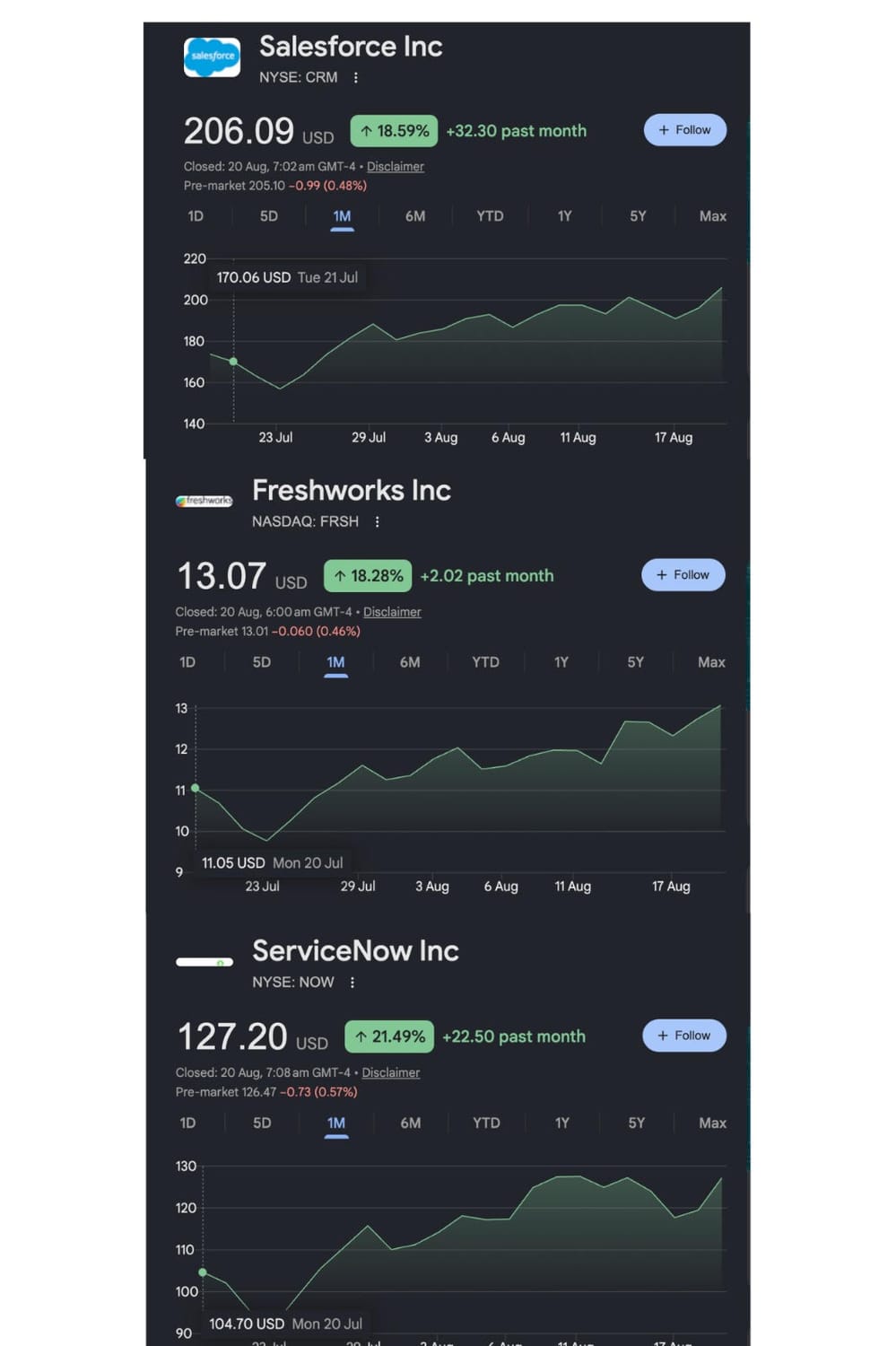
Last week, Freshworks had a great run-up; the share crossed $12, nearly up by 25-30% in a month alongside Salesforce (+18.59%) and ServiceNow (+21.49%), due to customer adoption of AI products alongside employee experience offerings. The trigger was hit.
Because the plan was already made, the client placed the sell order without agonising. The money hit his bank account. I deployed the proceeds immediately, across India equity and international funds, weighted toward the current highest-conviction VBA zones, China and Emerging Markets.
The after: A diversified portfolio that will no longer swing wildly on one company's quarterly earnings. A client who understands his net worth for the first time. And a structure that compounds from here, steadily, without catastrophic single-point risk.
His net worth is still ₹1 crore. I cannot recover what Freshworks took between 2021 and 2023. But what remains is now protected, deployed, and working.
The trade took minutes. The preparation took four months. Both were necessary.
"We had agreed on $12 months ago when I was thinking clearly. So when it crossed $12, there was nothing left to decide. I just acted."
What this shows about the Finamily process
I did not predict Freshworks would fall. I did not tell him when to buy.
I just showed up after the loss, met him where he was, and did the patient work of rebuilding confidence and building a plan, so that when the moment arrived, he was ready to act.
If you hold a concentrated single-stock position from an employer, an inheritance, or a past bet and you've been meaning to build a plan around it: that conversation is exactly what we're here for.
VBA STATE OF PLAY - AUGUST 2026
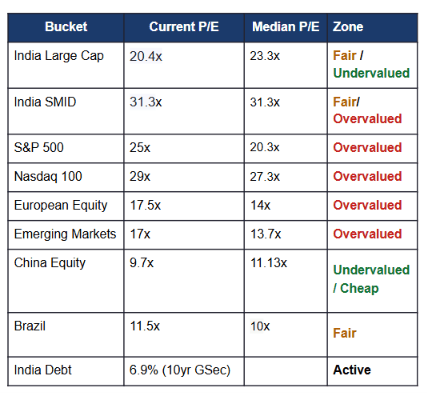
The framework compares current valuations (P/E ratios) against long-term historical medians to identify where value and margin of safety reside.
To know more about what is the VBA Framework→ Read the full explainer here
Allocation Flow — Where fresh capital goes this month
China (Dirt Cheap) → India Large Cap (Undervalued) → Brazil (Fair) → Emerging Markets (Undervalued) → India Debt (Short Duration — goal-based) → Hold: India SMID/ S&P 500 / Nasdaq
Note: The VBA Framework allocates based on current valuations. It does not predict where markets are going. This newsletter is for educational purposes only and does not constitute investment advice. Mutual fund and equity investments are subject to market risks.
Opportunistic Alert - FUND BREAKDOWN -
HSBC Global Investment Fund - Brazil Equity
Brazil stocks are beaten down. Elections in October could change that fast.
The setup: Why Brazil is on our radar right now
Brazil stocks have been hammered.
Brazil's benchmark equity index - the Bovespa, hit multi-month lows driven by aggressive selloffs. The currency has weakened. Investor sentiment toward the country is poor. And when sentiment is poor in an emerging market, valuations follow.
This is precisely the kind of environment the VBA Framework is designed to identify. Brazil currently sits in our Fair bucket - P/E of 11.5x against a historical median of 10x.
Two things have converged: the valuation opportunity and a near-term catalyst with a hard deadline.
References
HSBC GIF Brazil Equity fact sheets; World PE ratio, Screener, Groww, MSCI. Figures were pulled from public sources across July–August 2026. Always cross-check against the current factsheet before acting on anything here.
Published for educational purposes only. This is not investment advice, not a research report under SEBI's RA regulations, and contains no buy/sell/hold recommendation. These are insights on a publicly available mutual fund, meant to help readers to understand the fund relevance to their portfolio. Data as of August 28, 2026 unless dated otherwise, always verify against the latest factsheet before relying on any number here.
This is not a buy or sell recommendation. This newsletter is for educational and informational purposes only. Investing in single-country emerging market funds carries significant risk, including the risk of substantial capital loss. Please read all scheme-related documents carefully. Past performance is not indicative of future returns. The VBA Framework allocates based on current valuations and does not predict market direction.
JOIN MY NEWSLETTER
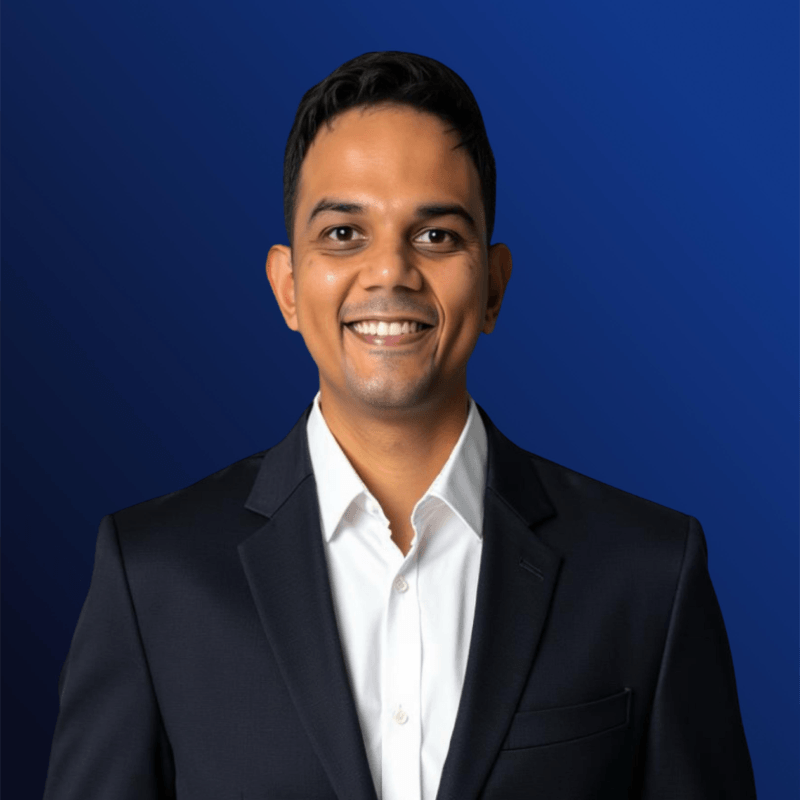
Hi! I'm Avinash
Welcome to my blog. This is a collection of real case studies from my clients that helps you understand how to solve investment problems and approach financial goals.

Created with © Avinash Baskar | AMFI-registered Mutual Fund Distributor ARN-264201